Documentary formats
Real photos. Real context.
History, true crime and science told over real, freely licensed photographs, with the maps, dates and names the narration mentions drawn on screen.
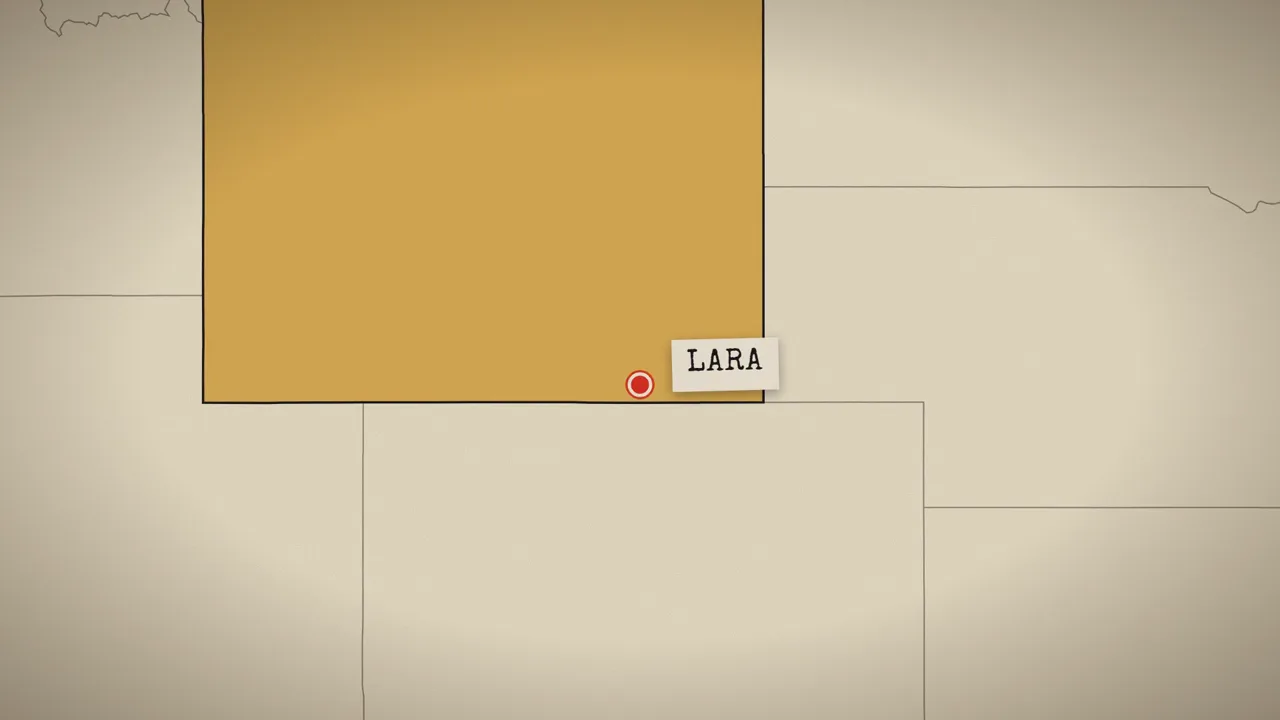
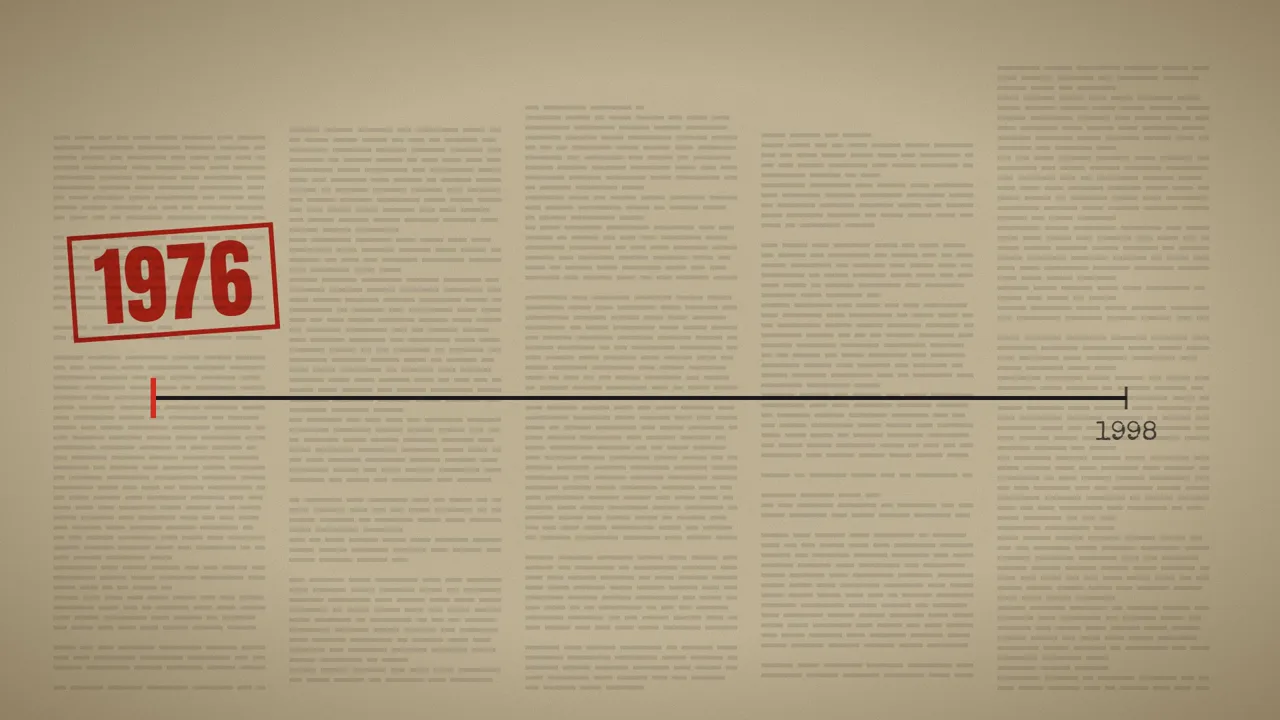
Frames from a documentary the studio made. The captions and name cards are switched off here.
Context that follows the narration
Every graphic comes from words in the narration or your script's headings, so nothing on screen can disagree with what is being said. When a phrase is unusual, the studio shows nothing rather than something wrong.
Chapter cards
A card in the pause before each section, named from your script's headings.
Maps
When the narration first mentions a place, a map zooms to it, drawn from public-domain outlines.
Timelines
When the story jumps to a new year, a timeline ribbon shows where you are.
Quotes
Words inside quotation marks in the narration are typed on screen as they are read.
Name cards
The first time a person comes up, a lower third gives their name and the role the narration gives them.
Big numbers
A large figure in the narration gets a stat card on the word that says it.
The photos
Real pictures of the real thing
Image models cannot draw a real person; they draw a lookalike. Documentary formats use real photographs from Wikimedia Commons instead, keeping only licences that allow a monetised video, and adding a credit list to the video description automatically.
For each scene the studio looks for a photo that carries that scene's own words, such as the building, the place or the event the sentence names, before it falls back to any photo of the subject. Each photo is used at most twice in a video. Maps, logos, flags, diagrams and pictures of the dead or injured are never used.
The facts
Written from a source, then checked
The script is built from the subject's Wikipedia article. After it is written, any sentence that states a year or number the article does not contain is rewritten. It cannot catch every error, so read the script before you publish a factual video, as you would with any research.
Choices
Pick how much editing it does
- Mixed — photos with context graphics, and a torn-paper collage look for the hook, section openers and turning points (never more than about a third of the video).
- Collage — the torn-paper, halftone-print look throughout.
- Clean — full-frame photos and context graphics only.
Documentary formats have no recurring character; the subject is the story. They also narrate slower, with real pauses between sections.